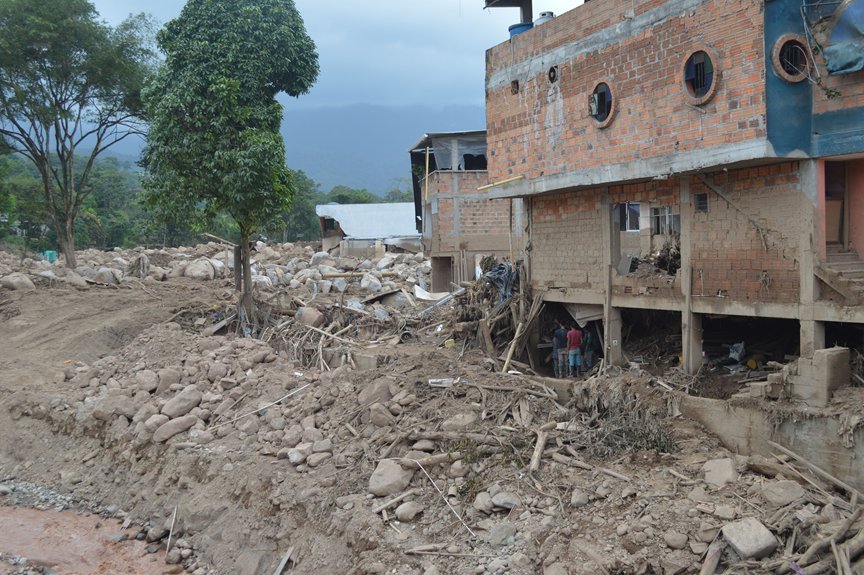
The Complete Catacratphobia Guide for First-Time Users offers a structured, evidence-based pathway to understanding fear of catastrophic events. It defines terms, traces origins, and outlines practical steps for beginners. The approach balances emotional support with objective risk assessment, emphasizing safety planning and autonomous decision-making. Readers will find checklists, coping strategies, and clear criteria for seeking help. The framework invites careful consideration of how to interpret information, manage anxiety, and respond calmly when uncertainty arises. A precise starting point awaits.
What Catacratphobia Really Means for New Users
Catacratphobia refers to a fear or aversion toward cataclysmic events and the potential threats they pose, often shaping individuals’ perceptions and responses to news, risk, and uncertainty.
This entry explains how such responses emerge, highlighting catacratphobia origins and early adopter anxieties as drivers of cautious information processing, risk assessment, and selective media engagement, supporting informed, autonomous decision-making without sensationalism.
Key Terms You’ll Encounter: and What They Imply
Key terms recur across discussions of Catacratphobia, shaping how new users interpret risk signals, media framing, and personal resilience strategies.
The catalog includes catacratphobia terminology, user onboarding jargon, safety messaging, and troubleshooting terminology, each clarifying expectations and responses.
This objective framing supports autonomy, reducing ambiguity while contextualizing anxiety within evidence-based risk assessment and practical navigation.
Practical, Step-by-Step Navigation for Beginners
Navigating a new system begins with a clear, structured approach grounded in the terminology and risk concepts outlined earlier.
The guide outlines in depth safety planning and beginner friendly navigation, detailing concrete steps, checklists, and milestones.
It also addresses core emotional responses with practical coping steps, enabling users to proceed confidently while maintaining autonomy and evidence-based decision making in unfamiliar environments.
Safety, Caution, and When to Seek Help in the Realm
Is safety truly a matter of timing and method, or do persistent risks demand ongoing vigilance? The discussion outlines safety protocols, emphasizing preparation, monitoring, and adaptation. It notes when to seek help, including emergency contacts and professional support, while providing cautionary reminders about hazards. Mental health resources are listed, reinforcing that responsible engagement requires awareness, clarity, and decisive action in uncertain environments.
Frequently Asked Questions
Can I Use Catacratphobia on Mobile Devices Safely?
Catacratphobia can be used on mobile devices, but safety depends on adherence to best practices. The evaluation notes mobile safety considerations and device compatibility, emphasizing trusted sources, up-to-date software, secure networks, and minimal permissions.
What Are Common Myths About Catacratphobia’s Effects?
Myth vs reality shows that many beliefs about catacratphobia’s effects are exaggerated; common misconceptions include instantaneous danger and universal impairment, while evidence indicates variability in individual responses and no uniform, irreversible outcomes. Interpret cautiously, embracing informed, evidence-based understanding.
Is There a Recommended Daily Time Limit for Newbies?
Daily usage should be moderated; there is no universally fixed limit. It is considered safe on phones when balanced with breaks. Regular evaluation and evidence-based guidelines help ensure safe, autonomous exploration for those seeking freedom.
Can Catacratphobia Replace Traditional Therapy or Meds?
Catacratphobia cannot replace traditional therapy or meds. Evidence suggests catastrophia vs therapy, meds alternatives may complement care; professional guidance remains essential. Individuals seeking freedom should pursue evidence-based approaches, including CBT, exposure, and clinician-approved pharmacotherapy when indicated.
How Do I Track Progress Without a Formal Coach?
Progress tracking, self monitoring, and behavior change, habit formation collectively support independent progress; these methods offer structured feedback, objective data, and consistency, enabling personal accountability, iterative adjustments, and measurable growth without formal coaching or therapy reliance.
Conclusion
The guide concludes with a measured understanding: cataclysmic fears can be managed through structured information, realistic risk appraisal, and practiced coping strategies. An illustrative statistic—globally, about 8–10% of adults report moderate to high anticipatory anxiety regarding large-scale disasters—highlights the prevalence and need for accessible guidance. By separating fear from fact, learners build autonomy, implement safety plans, and recognize when professional support is warranted, thereby reducing paralysis and improving measured responses to uncertainty.