Optimized Designs 8007734503 Insights presents a compelling framework for improving user experience and operational effectiveness. By integrating user-centric methodologies with data analytics, organizations can develop products that align with market demands. This strategic approach not only enhances engagement but also addresses sustainability concerns. However, the implications of such design principles extend beyond immediate outcomes, prompting a deeper exploration into their long-term viability and impact on competitive positioning.
Harnessing Technology for Enhanced Efficiency
In modern industrial contexts, the integration of advanced technologies has proven to significantly enhance operational efficiency.
Automated workflows streamline processes, reducing errors and increasing throughput. Furthermore, digital collaboration tools facilitate seamless communication among teams, enabling real-time problem-solving and innovation.
This convergence of technology not only optimizes resource allocation but also empowers employees, fostering an environment conducive to creativity and autonomy within the workplace.
Data-Driven Strategies for Improved Performance
The effective utilization of data analytics has emerged as a cornerstone for enhancing organizational performance.
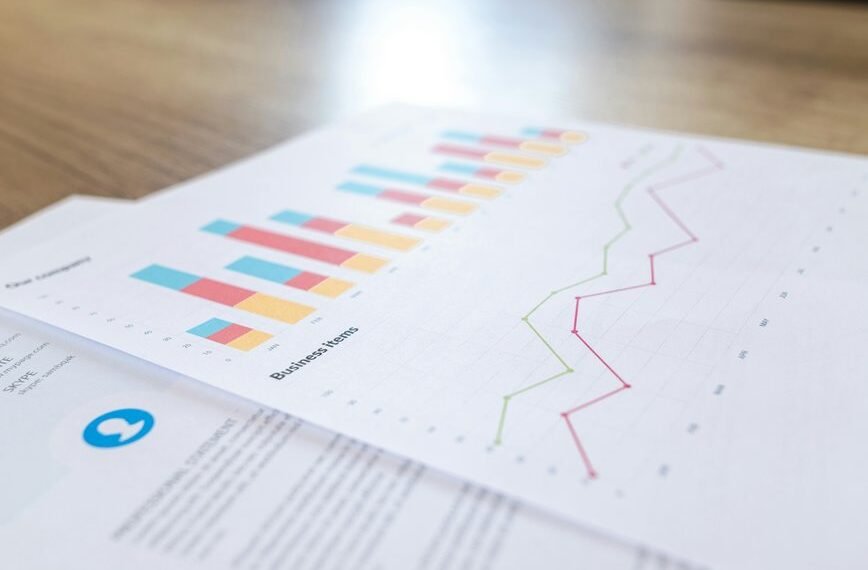
By employing data visualization techniques, organizations can effectively interpret complex datasets, enabling informed decision-making.
Additionally, predictive analytics facilitates proactive strategies, anticipating future trends and behaviors.
Together, these data-driven approaches empower organizations to optimize operations, enhance productivity, and achieve sustainable growth, thereby fostering an environment that values analytical freedom.
Innovative Design Solutions for Modern Challenges
How can innovative design solutions effectively address the complexities of modern challenges?
By fostering creative collaboration among diverse stakeholders, these solutions leverage user-centric design principles to ensure functionality and relevance.
Through iterative processes and feedback loops, designers can craft products and systems that resonate with users’ needs, ultimately enhancing engagement and satisfaction while navigating the intricate landscape of contemporary societal demands.
Pathways to Sustainable Growth and Success
Innovative design solutions not only address immediate challenges but also pave pathways for sustainable growth and success within organizations.
By integrating sustainable practices into core operations, companies can enhance their growth strategies, ensuring long-term viability.
This approach fosters adaptability, allowing organizations to respond to market demands while minimizing environmental impact, ultimately leading to a resilient framework capable of sustaining future challenges and opportunities.
Conclusion
In conclusion, the strategic integration of innovative design principles and data analytics positions organizations at the forefront of user experience and operational efficiency. As they navigate the complexities of modern challenges, the potential for sustainable growth looms large. However, the question remains: will these entities fully harness the insights gleaned from their iterative feedback loops, or will they falter in the face of evolving demands? The answer lies in their commitment to adapt and innovate in an ever-changing landscape.